Droppings in the attic insulation
We pull the contaminated insulation, disinfect the framing and top plates, and can reinstall rodent-proof insulation in the same mobilization. Most attics are fully sanitized in two to four hours.
Rodent Droppings Cleanup Fort Pierce FL means removing the waste, sanitizing what it touched, and killing the odor that keeps pulling rats back. If you have found pellets in the attic, behind the fridge, or along garage baseboards, you are not just looking at a mess, you are looking at a health hazard. We handle rodent waste removal in Fort Pierce for homeowners, landlords, and restaurant owners who need it gone today.
Tell us what is happening. Our local team will confirm your visit shortly.
Call Now (772) 365-9826 → No spam. No obligation. Just practical help.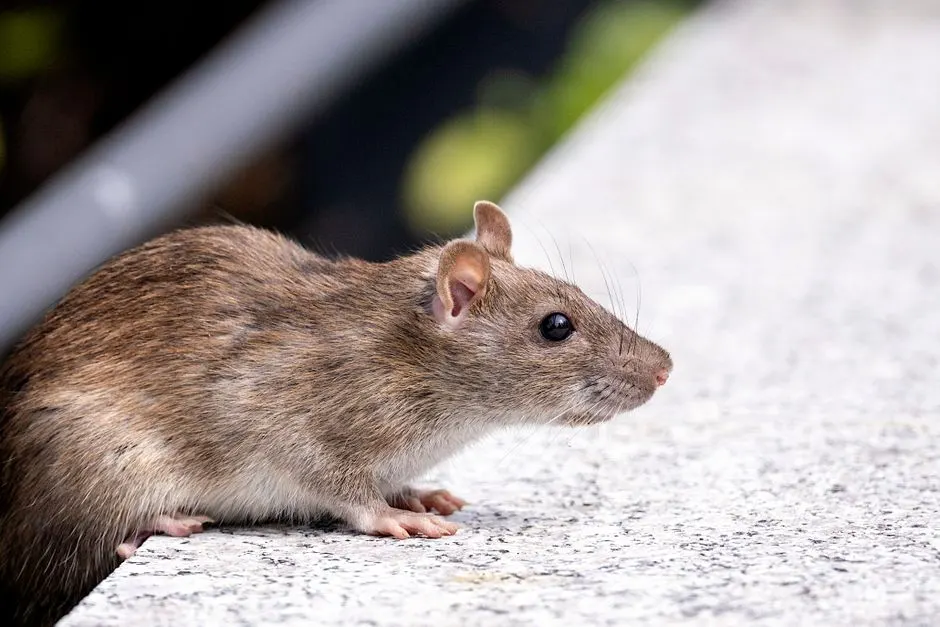
Rodent Droppings Cleanup Fort Pierce FL is a sanitation and decontamination service that removes rodent waste, disinfects contaminated surfaces, and deodorizes the air and materials rodents have spoiled. It is not sweeping up pellets with a broom. Our technicians suit up in PPE, mist contaminated insulation and framing with a disinfectant that neutralizes pathogens, bag the waste in sealed liners, then treat the space with a commercial deodorizer. We pull soiled insulation, wipe down joists and ductwork, and log every entry point we find while we are in there.
Fort Pierce homes get hit hard because our climate never gives rodents a real off-season. A warm November attic, a garage stacked with hurricane supplies, and a crawl space sitting six inches above sandy soil all make perfect harborage. We see rat infestation and mouse infestation spike in the older bungalows near Downtown and in the slab-on-grade homes off Orange Avenue. If you have been searching for rodent droppings cleanup Fort Pierce FL near me at 11 p.m. while something scratches above your bedroom, that is exactly the call we take.
Every droppings cleanup includes inspection, containment, waste removal, disinfection, and deodorization. Insulation replacement, exclusion sealing, and damage repair are quoted separately because the scope varies so much from home to home. You will see the full breakdown before we start.
Flashlight and thermal imaging sweep of every accessible space, with droppings mapped, entry points flagged, and gnawed wires documented. Takes 30 to 45 minutes on a typical Fort Pierce home.
Plastic sheeting and a HEPA air scrubber isolate the work zone so dust and airborne particles stay put. Critical when the attic shares ductwork with living space.
Droppings, nesting material, and contaminated insulation go into double-bagged liners and off the property. We do not leave bags on the curb or sweep anything into the yard.
Every contaminated surface gets misted and wiped with an EPA-registered disinfectant. Joists, ductwork, wiring runs, and wall top plates all get treated, not just the visible floor area.
A commercial-grade deodorizer neutralizes urine odor at the source. This is the step that stops the hallway smell from coming back the first humid week of summer.
You get before-and-after photos, a written summary of entry points, and recommendations for exclusion. The report doubles as documentation for insurance claims involving gnawed wiring.
A licensed technician walks the attic, crawl space, garage, and kitchen with a flashlight and inspection mirror, mapping droppings, gnawed wires, and entry points. Expect 30 to 45 minutes on a typical Fort Pierce home. You get a written findings sheet the same visit.
We seal off the work zone with plastic sheeting and set a HEPA air scrubber so dust and airborne particles stay inside the containment. Anyone with asthma or young kids in the house should plan to be out for the duration.
Droppings, nesting material, and contaminated insulation go into double-bagged liners and out to the truck. We do not sweep anything into your yard or leave bags on the curb. Typical volume on a moderate attic infestation runs three to six contractor bags.
Every surface the rodents touched gets misted with an EPA-registered disinfectant, then wiped down. That includes joists, ductwork, wiring runs, and the top plates of walls. We let it dwell per the label before we move on.
We finish with a commercial-grade deodorizer and a written report showing before-and-after photos, the entry points we found, and what we recommend for exclusion. Most jobs run two to five hours depending on square footage and how long the infestation has been active.
Purpose-built equipment, used by trained technicians — so the job is done accurately the first time.
Find rodent harborage behind walls and in ceiling voids by detecting body heat. Critical for locating nests that are not visible from the attic floor.
Filter airborne particles inside the containment zone during removal. Keeps dust and potential pathogens out of the living space.
Reach into wall voids, behind appliances, and under subfloor framing where droppings collect out of sight.
Standard trapping tools for the removal phase. Placed along runways where droppings and grease marks show regular travel.
Used when a non-target species or a pet-safe situation calls for live capture instead of lethal trapping.
Packed into gaps around plumbing and wiring penetrations. Rodents cannot chew through either material.
Placed in tamper-resistant Bell Laboratories bait stations around the exterior perimeter for population knock-down.
A Downtown Fort Pierce bungalow had five years of accumulated droppings across roughly 600 square feet of attic insulation. The homeowner described a smell in the hallway that got worse every summer, and the AC could not keep up with the upstairs bedrooms.
We removed six contractor bags of contaminated insulation and waste, disinfected the joists and top plates, and reinstalled rodent-proof insulation. Attic temperature dropped measurably and the hallway odor was gone within 48 hours.
A restaurant failed a health inspection after an inspector found droppings behind the walk-in cooler and along the dish station baseboard. The kitchen needed to pass re-inspection within ten days or face closure.
We ran an after-hours commercial cleanup: full containment, waste removal, two-stage disinfection, and deodorization. Total job time was about six hours across two nights. The re-inspection passed with no rodent-related findings.
An elevated home on Hutchinson Island had droppings concentrated under the floor system, with visible urine staining on the subfloor. The homeowner noticed a musty smell in the living room that got worse after rain.
We lifted the vapor barrier, removed the waste, disinfected the subfloor and joists, and reset the barrier. Air quality in the living room improved noticeably within a week, and the musty smell did not return after the next storm.
Most calls start with one of these four problems. All of them get worse the longer they sit, especially in a Florida climate that never really cools down.
Ask a pro →We pull the contaminated insulation, disinfect the framing and top plates, and can reinstall rodent-proof insulation in the same mobilization. Most attics are fully sanitized in two to four hours.
We pull the fridge and stove, disinfect the cabinet interiors and floor, and provide the treatment log your inspector wants to see. Commercial jobs get scheduled around your service hours.
We clear the harborage, disinfect the shelves and floor, and install a new door sweep on the connecting door. Most garage jobs finish in under three hours.
We lift the barrier, remove the waste, disinfect the subfloor and joists, and reset the barrier. We also flag any plumbing or ductwork damage we find while we are down there.
$250 - $900 for most residential jobs
Typical 2026 pricing for rodent droppings cleanup in Fort Pierce runs $250 to $900 for residential jobs, with most single-attic cleanups landing between $400 and $550. Crawl space jobs and multi-room infestations run higher. Commercial kitchens and jobs requiring insulation replacement get quoted separately. We give you a flat rate after inspection, so the number you hear is the number you pay. No hourly meter, no surprise line items for disinfectant or disposal.
A proper cleanup removes the health hazard, kills the odor at the source, and breaks the pheromone trail that pulls new rodents back. Skipping it means paying for the same problem twice, plus the risk of chewed wiring and failed inspections.
A 300-square-foot attic takes far less time than a 1,200-square-foot crawl space. Square footage drives labor, disinfectant volume, and disposal cost more than any other factor.
If the insulation is saturated with urine, it has to come out. Removal adds labor and disposal cost, and reinstallation adds material cost. We quote this as a separate line so you can see exactly what you are paying for.
A walk-up attic with a full staircase is easy. A scuttle hatch in a closet or a crawl space with 18 inches of clearance adds time and equipment. Steep roof pitches and tight turns slow everything down.
A two-week infestation leaves light contamination. A two-year infestation means deeper urine saturation, more nesting material, and often damaged wiring or ductwork that needs documenting.
“Found droppings all over the attic insulation in our 1948 bungalow. TideCrest came out the next morning, contained the whole attic, and pulled about five bags of contaminated insulation. The photo report showed exactly where the rats were getting in. Two months later, no scratching, no smell. Worth every dollar.”
Marcus D.Homeowner, Downtown Fort Pierce
✓ Verified“We failed a health inspection because of droppings behind the walk-in. Called TideCrest at 7 a.m. and they had a tech on site by 10. They sanitized the whole back kitchen, gave us a treatment log, and we passed the re-inspection. They understood this was a business emergency, not a routine call.”
Angela R.Restaurant Owner, Marina District
✓ Verified“Tenant complained about a smell in the garage for weeks. Turned out to be a mouse infestation behind the stored boxes. TideCrest cleaned it out, disinfected the shelves, and sealed the bottom of the garage door. They also handled the tenant communication, which saved me a headache.”
Dennis P.Landlord, Fort Pierce South
✓ VerifiedMost residential jobs run $250 to $900 in 2026, with a typical single-attic cleanup landing around $400 to $550. Crawl spaces and multi-room infestations push toward the top of that range. Commercial kitchens and jobs requiring insulation replacement cost more. We quote flat rates after inspection, so you know the number before we start.
Rodent waste removal Fort Pierce is the cleanup and sanitation phase, not the trapping phase. Pest control removes the live animals. Waste removal handles what they left behind: droppings, urine-soaked insulation, nesting material, and contaminated surfaces. You need both, and the order matters. Trap first, then sanitize, or you will be cleaning the same attic twice.
We do, and we are local. TideCrest Rodent Solutions covers every Fort Pierce ZIP, including 34947, 34950, 34949, 34982, 34981, and 34948. Call (772) 365-9826 and we will schedule an inspection, usually within 24 hours. Same-day slots open up most mornings if you call before noon.
Yes, if you handle it without protection. Fresh droppings can release airborne particles carrying hantavirus and salmonella. Never vacuum or sweep dry droppings, because that aerosolizes them. Our technicians wear respirators and Tyvek suits, mist the waste before removal, and disinfect every surface afterward. If you already swept a pile without a mask, call your doctor and mention the exposure.
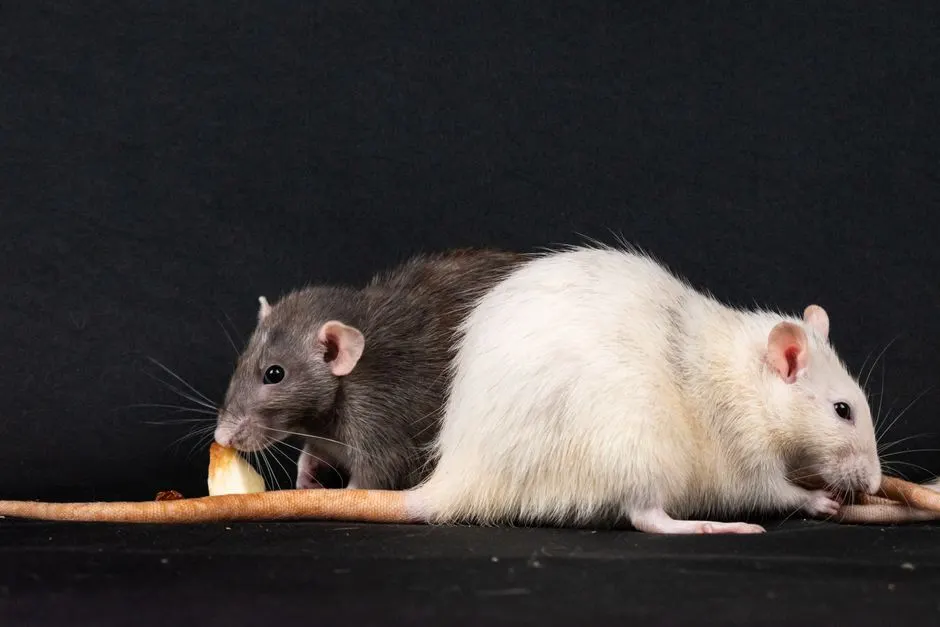 Rodent ControlCleanup handles the mess. Rodent control handles the animals still living in your walls. We run both on the same visit when the infestation is active, so you are not paying two trip charges.Explore →Rodent RemovalTrapping and removal come before sanitation on an active infestation. We use Victor snap traps and Havahart live catch traps depending on the species, then schedule the droppings cleanup once the attic is quiet.Explore →
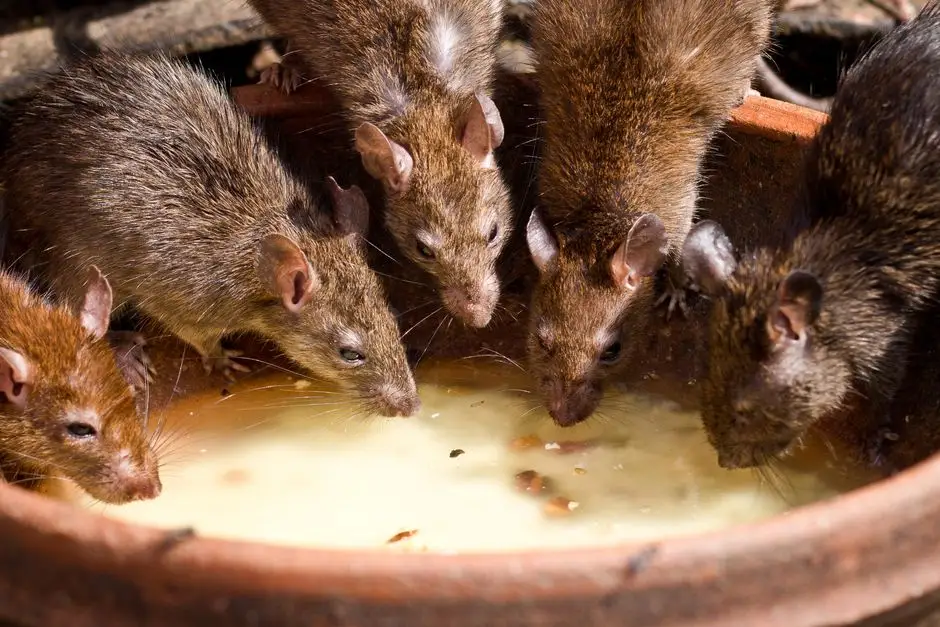 Rodent ExclusionSanitizing without sealing is a temporary fix. Our exclusion crew closes gaps with copper mesh, steel wool, and exclusion sealant so the next rat does not walk back into the clean space.Explore →
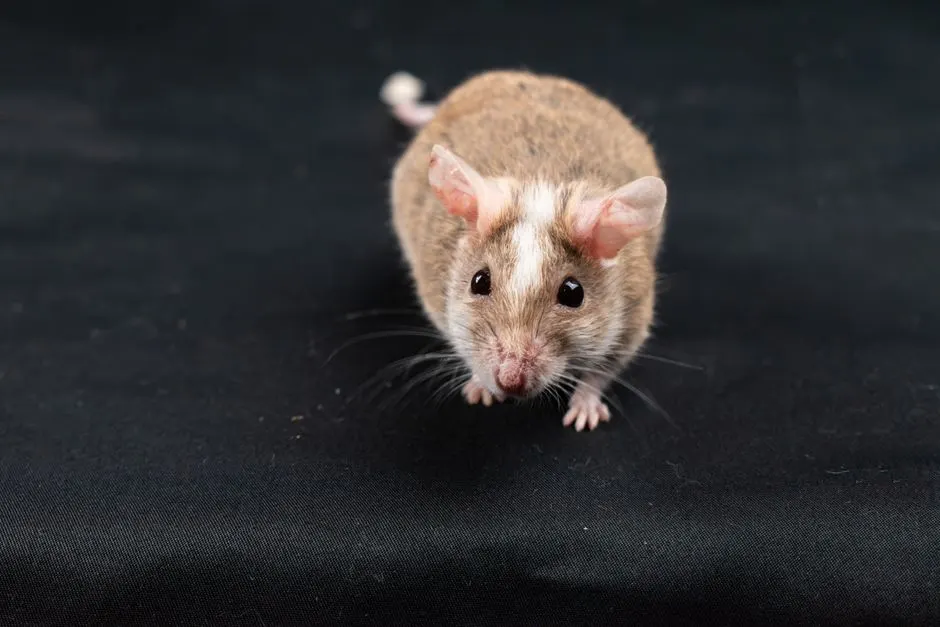 Rodent ProofingProofing covers the whole envelope: door sweeps, vent covers, chimney caps, and foundation gaps. We typically bundle it with droppings cleanup so the job is done in one mobilization.Explore →
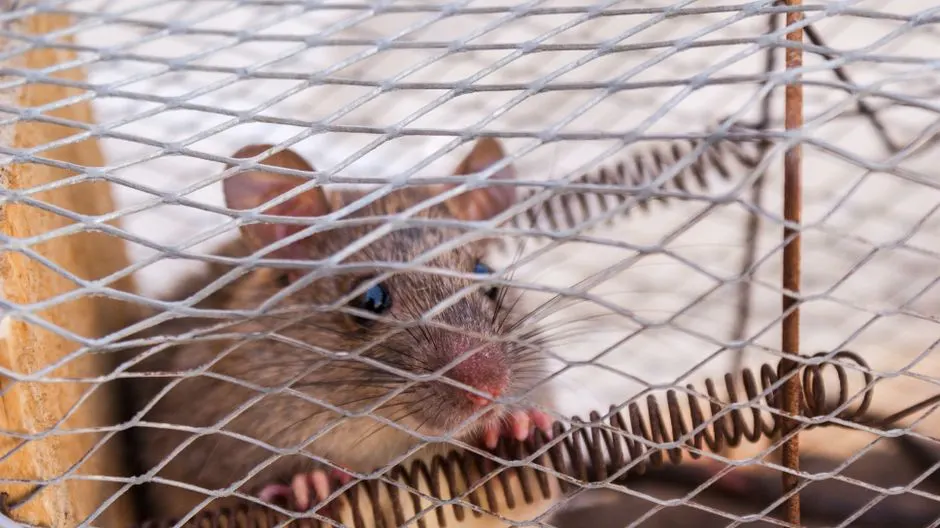 Rat ControlNorway rats in Fort Pierce crawl spaces leave larger droppings and heavier urine staining than mice. Rat control programs pair bait stations with sanitation so the harborage does not get reused.Explore →
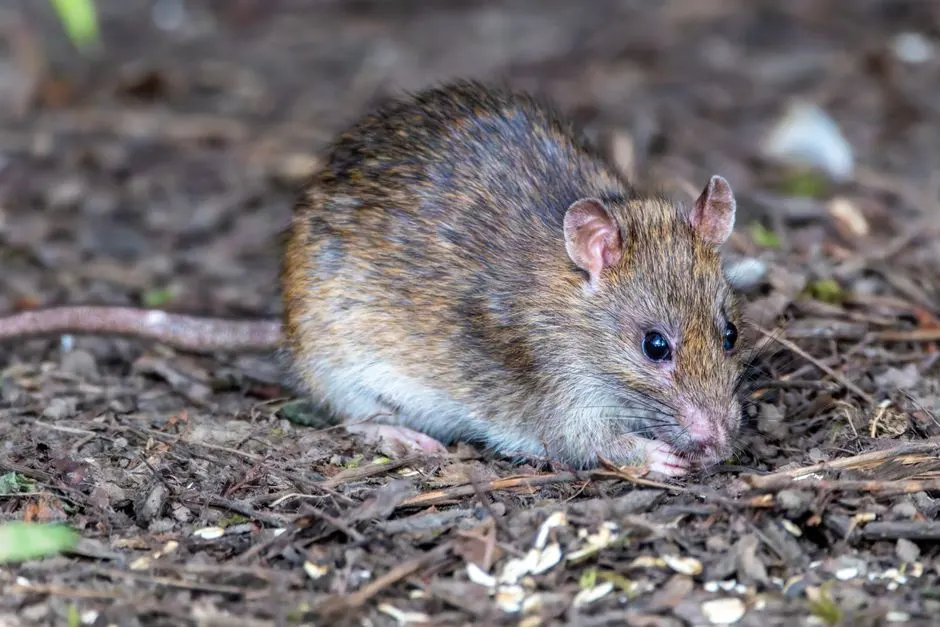 Rat RemovalRat removal clears the live population. Once the attic is empty, we schedule the droppings cleanup and disinfect the runways the rats carved through your insulation.Explore →
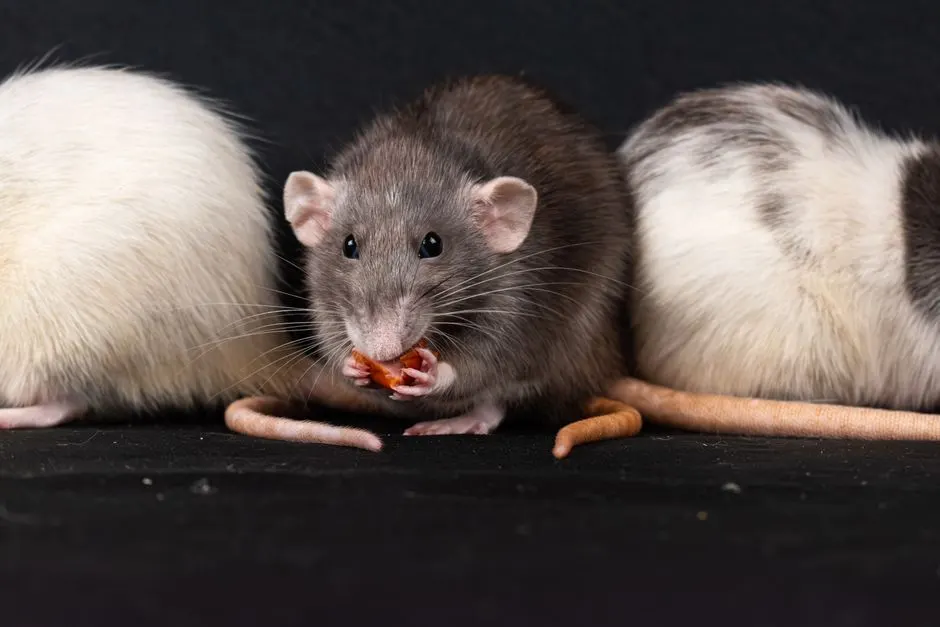 Rat ExclusionRats can squeeze through a gap the size of a quarter. Rat exclusion seals those gaps with hardware cloth and sealant, then we sanitize the areas they were using.Explore →
 Mouse ControlMice leave hundreds of small pellets along baseboards and inside cabinets. Mouse control clears the population, and our cleanup crew handles the cabinet and drawer sanitation afterward.Explore →
Every day you wait, the contamination spreads deeper into insulation and drywall. Call (772) 365-9826 and we will schedule an inspection, usually within 24 hours. Licensed, insured, and local to St. Lucie County.
Schedule Inspection (772) 365-9826 →Call us at (772) 365-9826 or email info@tidecrestrodentsolutions.com to schedule an inspection. We answer the phone around the clock for emergency rodent removal in Fort Pierce, and most standard inspections get booked the same day. If you are not sure what you are dealing with, describe the noise or the droppings and we will tell you what it likely is.